Value Research Portfolio Tracker: What It Is, How It Works
Shlok Sobti
Value Research Portfolio Tracker: What It Is, How It Works
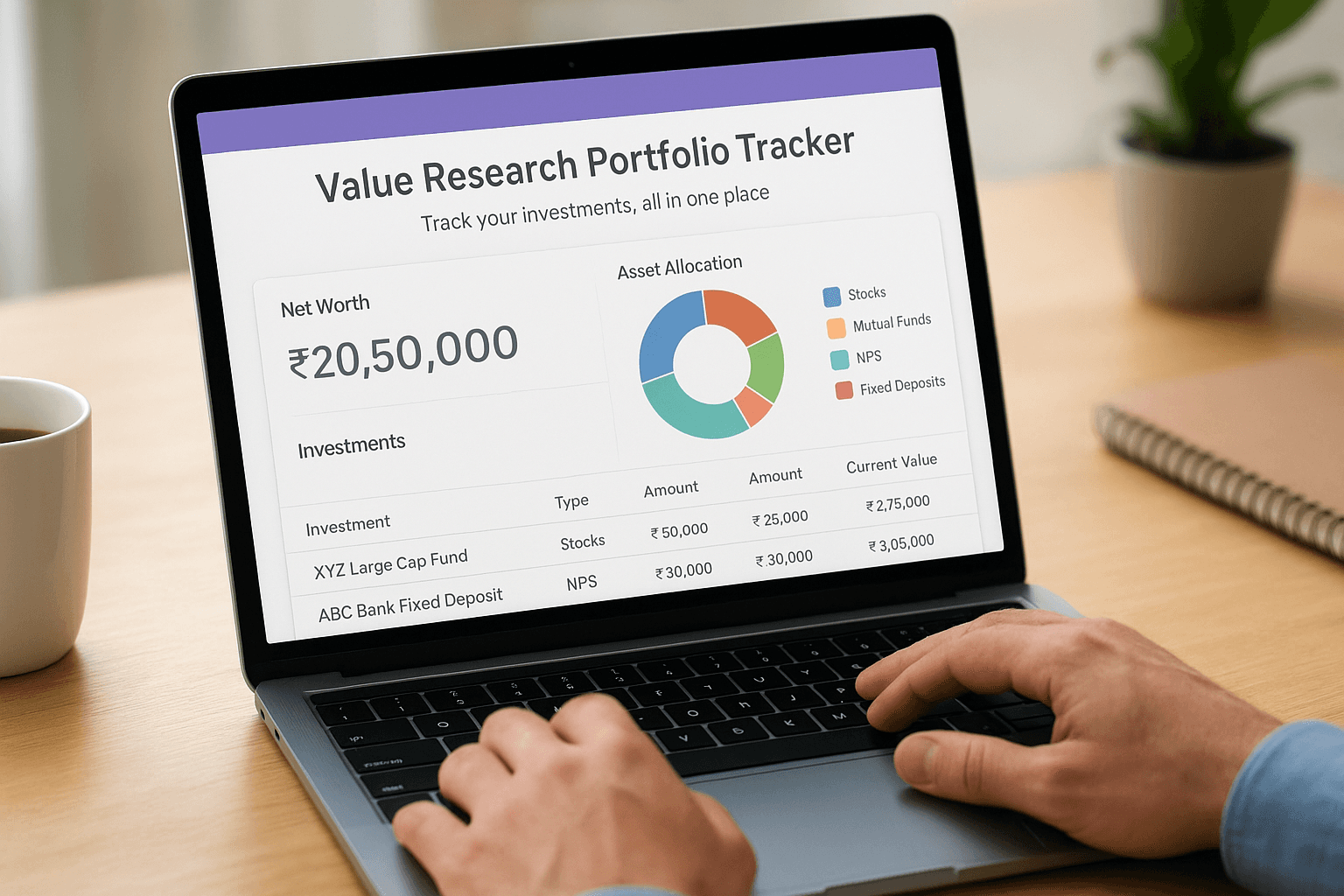
Keeping track of your mutual funds, stocks, and NPS holdings across multiple platforms can quickly become overwhelming. That's where the Value Research Portfolio Tracker comes in, a free tool designed to consolidate all your investments in one place. Whether you're monitoring returns, analyzing asset allocation, or simply trying to understand how your money is performing, this tracker has become a go-to resource for Indian investors who want clarity without paying hefty advisory fees.
But here's the thing: tracking your portfolio is only half the battle. Knowing what to do with that information, when to rebalance, which funds are underperforming, or how to optimize for taxes, requires more than just data. At Invsify, we combine AI-powered advisory with SEBI-registered expertise to help you move from passive tracking to active wealth growth. Understanding tools like Value Research's tracker is a solid first step toward taking control of your finances.
In this guide, you'll learn exactly what the Value Research Portfolio Tracker offers, how to set it up, its key features, and where it falls short. We'll also discuss how it compares to more advanced portfolio management solutions so you can decide what works best for your investment journey.
Why portfolio tracking matters for Indian investors
Your investments rarely live in one place. Most Indian investors hold mutual funds through multiple AMCs, stocks in different demat accounts, NPS with separate providers, and perhaps even fixed deposits or bonds scattered across banks. Without a unified view, you're essentially flying blind, making decisions based on incomplete information. You might think you're diversified when in reality, you've accidentally overloaded on the same sector across different schemes. Or worse, you're holding underperforming assets simply because you forgot they existed.
You're likely scattered across multiple platforms
The average Indian investor juggles accounts with at least three to five different financial institutions. You might have direct mutual funds with one platform, regular plans through a distributor, stocks in a Zerodha or Groww account, and NPS contributions through your employer. Each platform shows you only its slice of your wealth, leaving you to manually piece together your actual net worth. This fragmentation makes it nearly impossible to answer basic questions like "Am I meeting my financial goals?" or "What's my real rate of return?"
Without consolidated tracking, you risk duplicating investments, missing rebalancing opportunities, and overlooking tax-loss harvesting windows that could save you thousands.
Performance and clarity disappear without proper tracking
When tax season arrives, scrambling to calculate capital gains across multiple accounts turns into a nightmare. You need accurate records of purchase dates, holding periods, and realized gains to file correctly. Beyond taxes, tracking helps you understand which investments actually deliver returns and which ones drag down your portfolio. The value research portfolio tracker simplifies this by pulling everything into one dashboard, but even then, you need to ensure your data stays current and complete. Tracking isn't just about seeing numbers; it's about making informed decisions on where to invest next, when to exit, and how to optimize for both growth and tax efficiency.
What the Value Research portfolio tracker includes
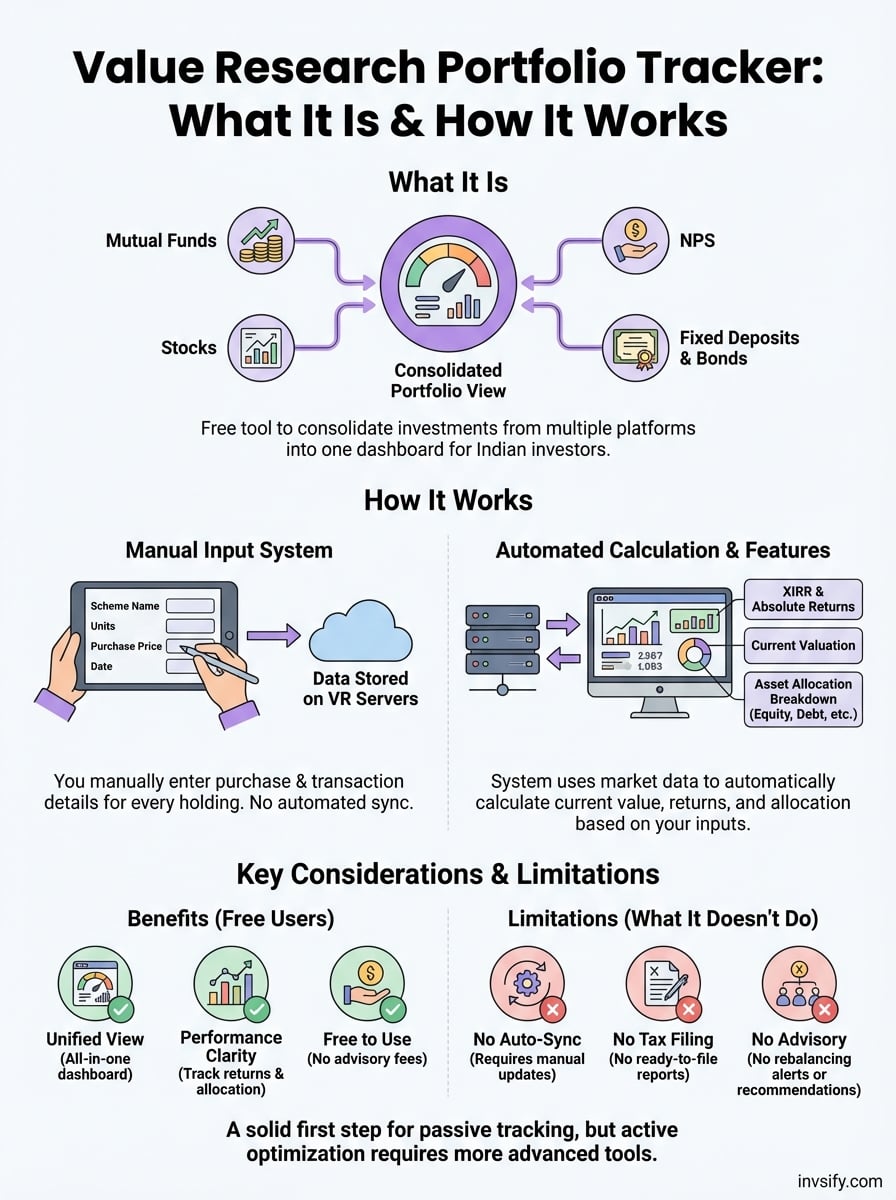
The value research portfolio tracker lets you monitor mutual funds, stocks, NPS, bonds, and fixed deposits all in one dashboard. You can add holdings from any AMC, any broker, or any pension provider without needing separate logins. This means you finally get a consolidated view of your entire investment portfolio, even if your money sits across five different platforms. The tool calculates your total portfolio value, returns, and asset allocation automatically once you input your holdings.
Asset classes you can add
You can track equity mutual funds, debt funds, hybrid schemes, and ELSS alongside individual stocks from NSE and BSE. The tracker also supports NPS holdings across all fund managers, which is rare among free portfolio tools. If you hold corporate bonds, government securities, or fixed deposits, you can manually add those as well. Each asset class gets categorized separately, so you can see exactly how much exposure you have to equities versus debt at any given time.

The tracker's ability to consolidate NPS, mutual funds, and stocks in a single view eliminates the need to juggle multiple apps just to understand your net worth.
Basic features available to free users
Without paying anything, you get automatic NAV updates for mutual funds and live price tracking for stocks. The system calculates your XIRR returns, absolute returns, and current valuation for each holding. You also see your portfolio's asset allocation broken down by equity, debt, gold, and cash equivalents, helping you spot concentration risks immediately.
How the Value Research portfolio tracker works
The value research portfolio tracker operates through a manual input system where you add each holding individually along with purchase dates and transaction details. You enter the scheme name, number of units, purchase price, and date for every investment, and the tool then fetches current NAVs or stock prices to calculate your present value and returns. Unlike apps that automatically sync with your broker or AMC, this tracker requires you to update transactions yourself whenever you buy, sell, or receive dividends. The system stores your data on Value Research's servers and displays everything through their web interface.
Manual entry vs automated sync
You start by searching for your mutual fund scheme or stock ticker symbol from their database. Once you select it, you input your purchase quantity, date, and price to create a transaction record. Every new purchase, SIP installment, or sale needs a separate manual entry to keep your portfolio accurate. This approach gives you complete control over what data you share but also means you're responsible for keeping everything current.
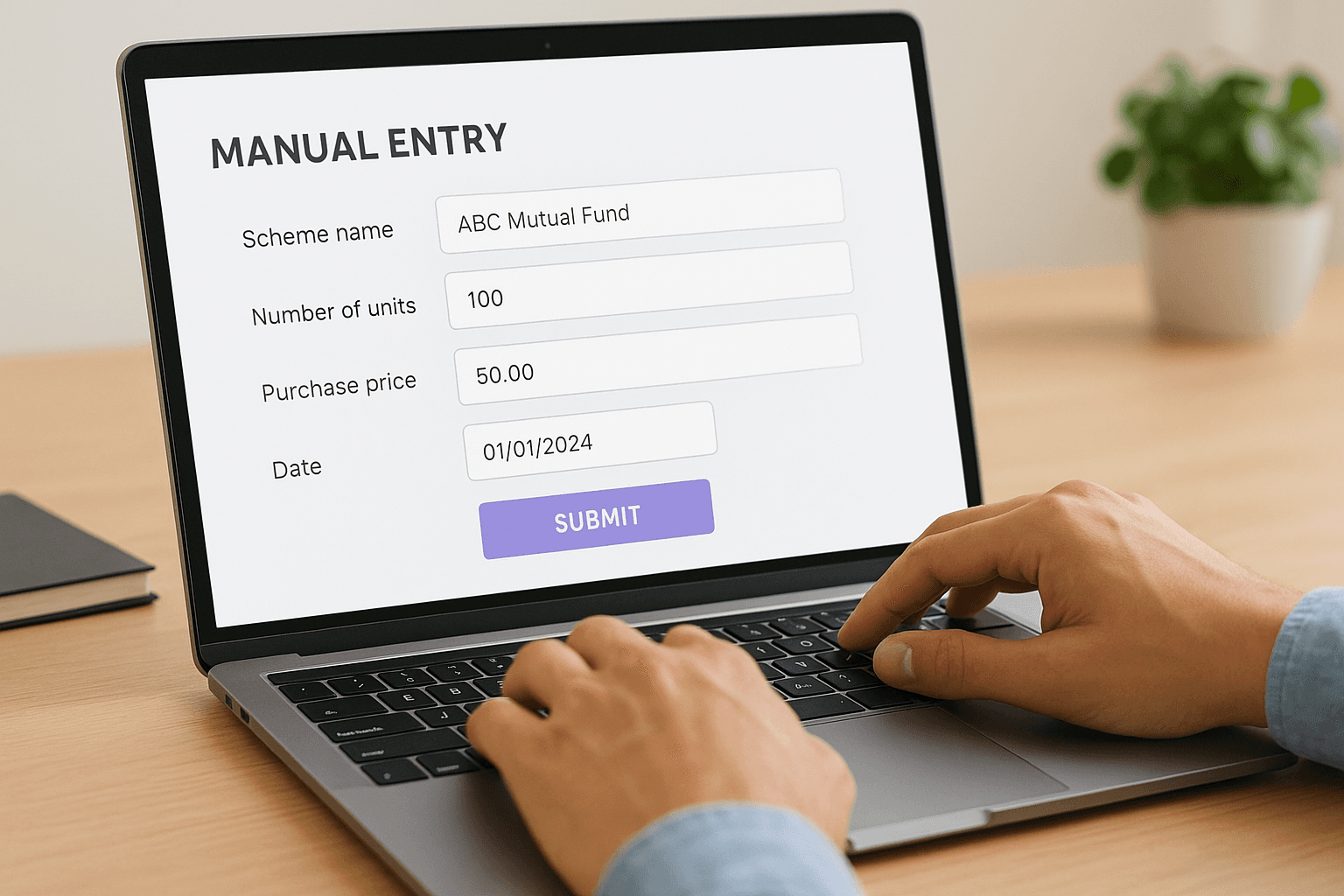
Manual tracking demands consistent effort, but it avoids sharing your demat account credentials or linking sensitive financial accounts to third-party platforms.
How returns get calculated
The tracker computes XIRR (extended internal rate of return) for each holding by factoring in all cash flows, including purchases, redemptions, and dividends. It also shows absolute returns for a straightforward percentage gain or loss view. Both metrics update automatically once you've entered your transactions, pulling the latest NAV or stock price from their market data feeds.
How to set it up and keep it accurate
Setting up the value research portfolio tracker starts with creating a free account on their website using your email address. Once logged in, you click the "Add Transaction" button and search for your mutual fund scheme or stock by name or ISIN code. You then enter the number of units purchased, the date you bought them, and the purchase price or NAV at that time. Repeat this process for every holding across all your accounts until you've built a complete picture of your portfolio.
Creating your first portfolio
Start by gathering statements from all your AMCs, brokers, and NPS providers before you begin entering data. This ensures you have accurate transaction dates and unit counts ready. Focus on adding your largest holdings first to see immediate value from the tracker, then fill in smaller positions later. The system lets you create multiple portfolios if you want to separate personal investments from joint accounts or family holdings.
Accurate initial setup saves hours of corrections later, so double-check every transaction detail before moving to the next holding.
Keeping transactions current
Every time you place a new SIP installment, make a lump sum purchase, or sell units, you need to log into the tracker and add that transaction manually. Set a weekly or monthly reminder to update your holdings, especially if you invest frequently. Missing transactions throws off your return calculations and makes your portfolio value inaccurate, defeating the purpose of tracking in the first place.
Reports, taxes, and limitations to know
The value research portfolio tracker gives you basic reporting capabilities but doesn't generate the tax documents you need for filing. You can view your portfolio's performance over different time periods and see consolidated gains or losses, but you'll need to manually extract transaction data for your CA or tax software. The tool also has several limitations that become apparent once you've used it for a few months, especially if you expect features common in paid portfolio management platforms.
Export options and tax reporting
You can download your portfolio holdings and transaction history as a spreadsheet, which helps during tax season when you need to calculate capital gains. However, the export doesn't automatically categorize transactions into short-term or long-term gains, nor does it calculate your tax liability based on current Indian tax rules. You'll still need to manually process the data or feed it into tax software to determine what you owe. The reports show your overall returns and current valuation clearly but lack the granular tax optimization insights that SEBI-registered advisors typically provide.
While the tracker consolidates your investments, it won't handle the complex tax calculations Indian investors face across equity, debt, and hybrid funds.
What the tracker can't do
The tracker doesn't offer goal-based planning, rebalancing alerts, or personalized recommendations based on your risk profile. You can see your asset allocation but won't get suggestions on whether it's appropriate for your age or financial goals. It also lacks real-time alerts for fund rating changes or automatic detection of overlapping holdings across schemes, which means you might unknowingly hold the same stocks through multiple funds.
Final takeaways
The value research portfolio tracker gives you a solid foundation for consolidating your investments across mutual funds, stocks, and NPS holdings without paying anything. You get accurate return calculations, asset allocation visibility, and a unified view of your wealth that beats juggling multiple apps. For investors who want basic tracking and don't mind manual data entry, this tool delivers genuine value.
However, tracking alone won't grow your wealth. Knowing your returns doesn't tell you which funds to exit, when to rebalance, or how to optimize for taxes and goals. The tracker provides current valuations and historical performance but doesn't guide your next move or flag concentration risks before they hurt your portfolio.
If you're ready to move beyond passive tracking toward active wealth optimization, Invsify combines AI-powered insights with SEBI-registered advisory to guide every investment decision. Get started with smarter portfolio management that goes beyond numbers to help you actually grow your wealth.